Which Best Toiletries Brands Provide the Best Eco-Friendly Options?
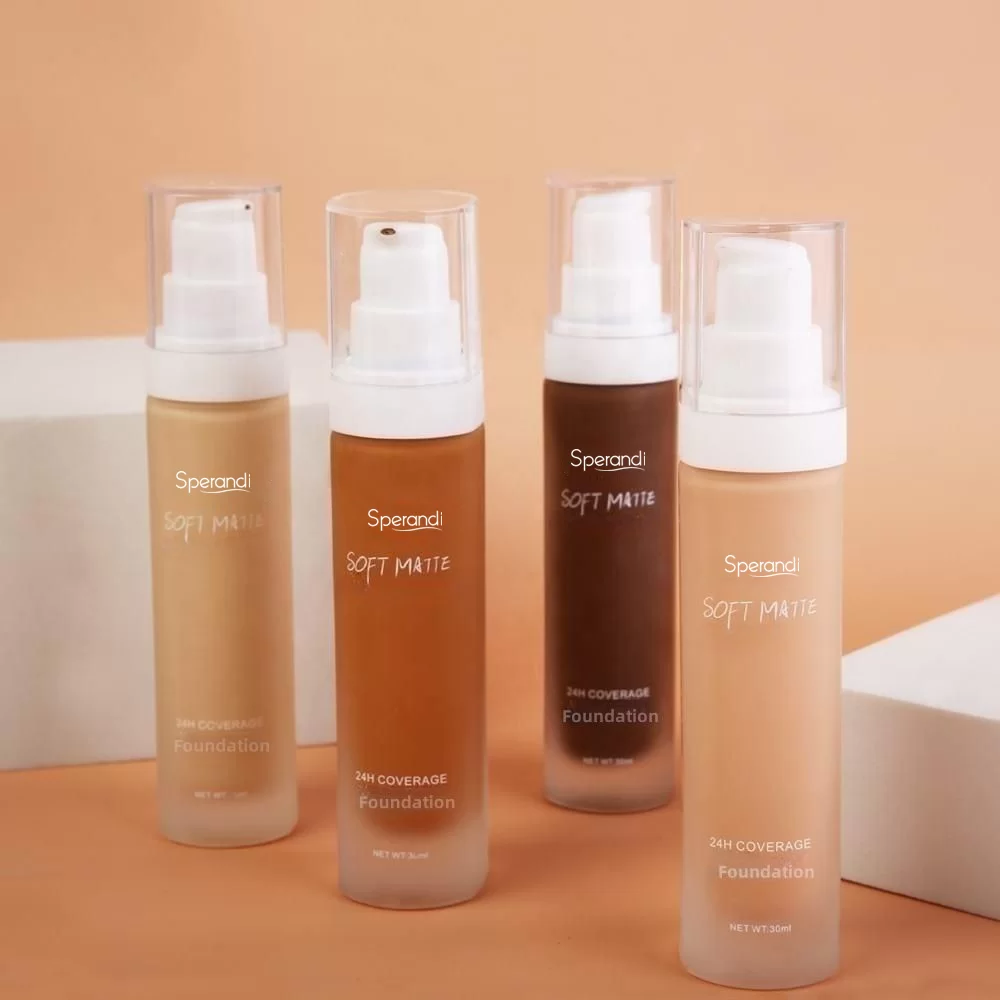
The best eco-friendly toiletry brands, such as Plaine Products and Dr. Bronner’s, reduce household waste by prioritizing refillable aluminum packaging and concentrated, biodegradable formulas. These companies eliminate single-use plastic, which constitutes nearly 80% of all toiletry-related landfill debris. Brands like The Earthling Co. utilize waterless manufacturing to cut shipping emissions by 60% compared to traditional liquid products. Consumers selecting these options effectively lower their personal carbon output while avoiding synthetic chemicals commonly found in conventional items. Such selections often extend to Foundation Makeup as users seek cleaner alternatives.
Modern personal care production requires a massive shift away from virgin plastic, which accounted for 367 million metric tons of global production in 2020. The environmental footprint of a standard bathroom cabinet contains roughly 20 to 30 plastic units that rarely complete a full recycling cycle.
Current data from 2025 indicates that only 9% of all plastic ever manufactured has been recycled, leaving the vast majority to linger in ecosystems for hundreds of years.
Refill-based business models allow customers to return empty aluminum bottles, ensuring a circular lifecycle that avoids the energy-intensive process of melting down plastics. Industry reports from 2024 suggest that brands implementing these return-and-refill programs successfully reduce their container waste by over 75% per customer.
| Brand Name | Primary Material | Waste Reduction Method |
| Plaine Products | Aluminum | Subscription Refill |
| The Earthling Co. | Cardboard | Waterless Solid Bar |
| Ethique | Compostable Paper | Zero-Plastic Packaging |
Waterless technology represents another significant leap in sustainable product design by removing the 70% to 90% water content typically found in shampoos and cleansers. By concentrating active ingredients into solid bars, companies like Ethique reduced their water usage by 3.5 million liters in 2023 alone.
Shipping water is inefficient, as it increases the weight of each parcel, requiring more fuel for logistics and transportation networks.
Transportation accounts for roughly 15% of the total carbon footprint for personal care items, making mass reduction via concentrated formulas a measurable improvement for global supply chains. Eliminating liquid water from products also removes the requirement for synthetic preservatives, such as parabens, that are often used to prevent microbial growth in aqueous environments.
The chemical landscape of personal care is currently undergoing a massive overhaul, with 40% of consumers demanding products free from microplastics and synthetic fragrances. Manufacturers now face increased pressure to verify their supply chains, as ingredient sourcing can account for 50% of an item’s environmental impact before it even hits the factory floor.
Third-party certifications, such as the Leaping Bunny logo or USDA Organic labels, offer objective verification for products that prioritize non-toxic ingredients and ethical labor.
These standards mandate rigorous documentation for every raw material used, ensuring that palm oil or botanical extracts do not contribute to deforestation or biodiversity loss. Brands prioritizing these practices report higher long-term consumer retention, as users increasingly align their spending with measurable environmental transparency and verifiable manufacturing standards.
Shifting toward sustainable options also involves evaluating how a product interacts with water systems after use, particularly regarding biodegradability and aquatic toxicity. Many conventional cleansers contain sulfates that can harm local water supplies, yet brands utilizing plant-based surfactants see a 90% degradation rate within 28 days.
-
Select products with simple, recognizable ingredient lists rather than complex chemical compounds.
-
Prioritize glass or aluminum over flexible, multi-layer plastics that lack viable recycling streams.
-
Opt for concentrated bars that bypass the need for plastic pumps and secondary packaging materials.
By auditing the bathroom through the lens of waste and ingredient toxicity, consumers can exert influence on market trends that favor sustainable innovation. Data from 2026 shows that companies failing to adopt transparent, eco-friendly practices are losing market share at a rate of 5% per year to smaller, purpose-driven alternatives.