How Can Hem Beer Equipment Optimize Your Brewing Workflow?
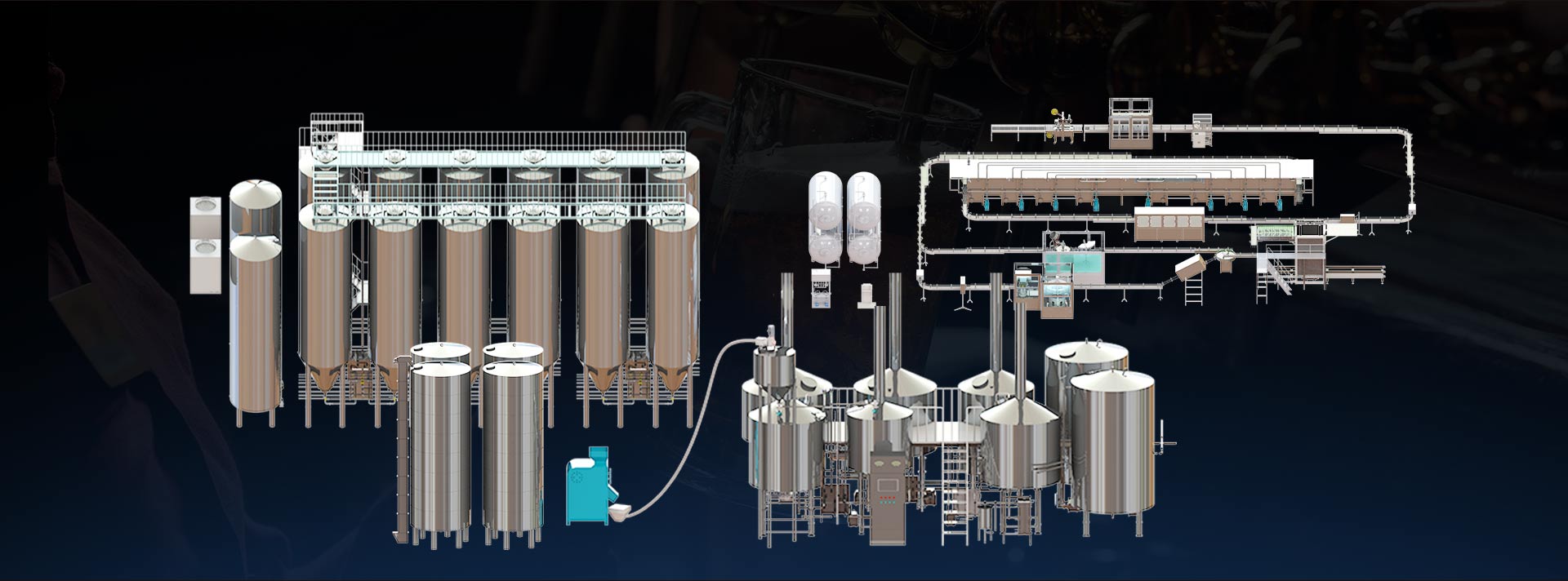
Hem Beer Equipment helps breweries improve workflow efficiency by integrating precise temperature control, sanitary tank design, automated operation options, and production-focused layouts. A well-configured brewing system can reduce manual adjustments, shorten cleaning cycles, and improve batch consistency. Industry production data shows that packaging lines in craft breweries may operate at only around 50% efficiency due to downtime and changeovers, making equipment optimization an important part of improving output.
Modern breweries handle multiple processes every day, including milling, mashing, boiling, fermentation, conditioning, and packaging. Each stage requires stable control of temperature, pressure, flow rate, and sanitation. A brewing system designed with accurate control points allows operators to reduce unnecessary adjustments and maintain more consistent production results. Research on industrial beer production shows that boiling can account for approximately 35%–50% of total production energy use, making equipment efficiency important for reducing resource consumption.
A brewery workflow depends heavily on how equipment connects each production stage. Poorly arranged vessels can increase transfer time, create additional cleaning requirements, and reduce available production hours. A system such as hem beer equipment is designed around brewery capacity, product type, and space conditions, allowing brewers to build a more organized production process.
Breweries that review production data often find that small improvements in transfer speed, cleaning time, and equipment availability can create measurable gains. A 2021 craft brewing production report analyzing millions of liters found that many breweries produced on packaging lines for only slightly above 50% of scheduled operating time.
Brewhouse performance directly affects the efficiency of the entire brewing workflow. Mash systems, lauter tanks, and boiling vessels need accurate temperature control and stable operation because variations during wort production influence fermentation results. Equipment with improved heating distribution can help maintain consistent mash conditions across different batches.
| Brewing stage | Equipment improvement | Possible workflow effect |
|---|---|---|
| Mashing | Accurate temperature monitoring | More stable sugar extraction |
| Lautering | Better filtration control | Reduced wort loss |
| Boiling | Efficient heating design | Lower energy consumption |
| Fermentation | Precise cooling control | More consistent fermentation cycles |
Data management has become a larger part of brewery operation since 2020. Production monitoring systems can collect hundreds of measurements each day, including temperature records, fermentation progress, yield data, and packaging results. Some brewing analytics platforms report malt cost reductions of around 5% through improved milling and process monitoring.
Fermentation equipment has a direct effect on production scheduling because tanks determine how quickly a brewery can complete each batch. Stainless steel fermenters with accurate cooling jackets allow brewers to maintain yeast activity within controlled temperature ranges. A fermentation process that finishes several days earlier can increase yearly tank availability without adding more vessels.
A brewery that improves fermentation monitoring can reduce manual checks and collect more consistent production information. One documented brewery improvement project reported a 20% capacity increase after introducing real-time fermentation monitoring technology.
Automation options help breweries reduce repetitive tasks and improve operator consistency. Modern brewing systems may include programmable controls, automated valves, digital temperature sensors, and production records. These functions allow operators to follow repeatable procedures instead of relying only on manual adjustments.
A typical automated brewing workflow may include:
- Automatic temperature regulation during mashing.
- Controlled wort transfer between vessels.
- Fermentation temperature monitoring.
- Digital recording of production parameters.
- Scheduled cleaning cycles.
The use of automation does not remove the need for experienced brewers. Instead, it allows production teams to spend more time on recipe management, quality checks, and process improvement. A brewery using automated controls can maintain more consistent results when producing multiple beer styles throughout the year.
Cleaning efficiency is another area where equipment design affects workflow speed. Breweries must clean tanks, pipes, and transfer systems after each production cycle to prevent contamination. Equipment with smooth internal surfaces, sanitary connections, and CIP compatibility can reduce cleaning complexity.
| Cleaning factor | Traditional process issue | Improved equipment approach |
|---|---|---|
| Tank cleaning | Longer manual operation | CIP-compatible design |
| Pipe sanitation | More connection points | Simplified sanitary piping |
| Inspection | Limited visibility | Better access points |
Reducing cleaning time creates more available production hours. For example, if a brewery saves 60 minutes per cleaning cycle and completes 5 batches per week, the facility can recover more than 250 production hours annually.
Space planning also affects brewing workflow. Breweries with limited floor space need equipment layouts that reduce unnecessary movement between vessels. A well-designed system places brewhouses, fermenters, bright tanks, and packaging equipment according to production flow.
A production layout review should consider:
- Annual beer output target.
- Number of beer styles produced.
- Available floor area.
- Future tank expansion.
- Packaging requirements.
Breweries that expand from small craft production to larger volumes often require equipment that can grow with their needs. Modular brewing systems allow facilities to add fermentation tanks, larger vessels, or additional automation components without replacing the entire setup.
Quality consistency is another result of optimized equipment selection. Customers expect the same flavor profile from each batch, whether a brewery produces 500 liters or 50,000 liters. Stable temperature control, accurate pressure management, and sanitary materials help maintain product standards.
Food-grade stainless steel is commonly used in commercial brewing because it provides corrosion resistance and supports repeated cleaning cycles. Many professional brewing systems use stainless steel grades such as 304 or 316 depending on application requirements and exposure conditions.
Equipment selection influences both daily production speed and long-term maintenance requirements. A brewery running several hundred batches each year benefits from systems designed for repeated use, reliable sanitation, and easy inspection.
Energy efficiency is becoming more important as breweries evaluate operating costs. Heating, cooling, and pumping systems account for a large portion of brewery energy use. Better insulation, efficient heat exchange, and accurate controls can reduce unnecessary consumption.
A study published in 2025 examined industrial brewing process optimization using large production datasets, including approximately 7 million operational data points collected over a 7-month period. The research showed how detailed process monitoring can improve control of brewing operations.
Packaging is another area where workflow improvements can increase output. Filling, canning, and kegging require stable beer transfer conditions to reduce product loss. Production data from craft breweries has shown that changeover time and unexpected stops can significantly reduce packaging efficiency, with some lines experiencing frequent interruptions between production runs.
| Workflow area | Equipment contribution | Measurement example |
|---|---|---|
| Brewhouse | Better process control | Temperature accuracy |
| Fermentation | Stable tank conditions | Fermentation time |
| Cleaning | Faster sanitation | Minutes per cycle |
| Packaging | Smooth transfer | Product loss percentage |
Choosing the right brewing equipment requires matching the system with actual production needs. A small brewery producing seasonal releases may require different vessel sizes and automation levels compared with a regional brewery producing thousands of barrels annually.
Hem Beer Equipment can support different brewery models by offering equipment configurations based on production volume, beer styles, facility layout, and operational goals. Proper equipment planning allows breweries to improve daily workflow while maintaining flexibility for future expansion.
A brewery workflow is improved when every production stage works together. Equipment design, automation, sanitation, energy use, and production planning all influence how efficiently a brewery operates. With accurate controls and suitable system configuration, breweries can increase consistency, reduce downtime, and create a more reliable production process.